The United Nations has raised the alarm over the growing risk of nuclear weapons use, warning on Thursday that global tensions have pushed the threat to levels not seen in decades.
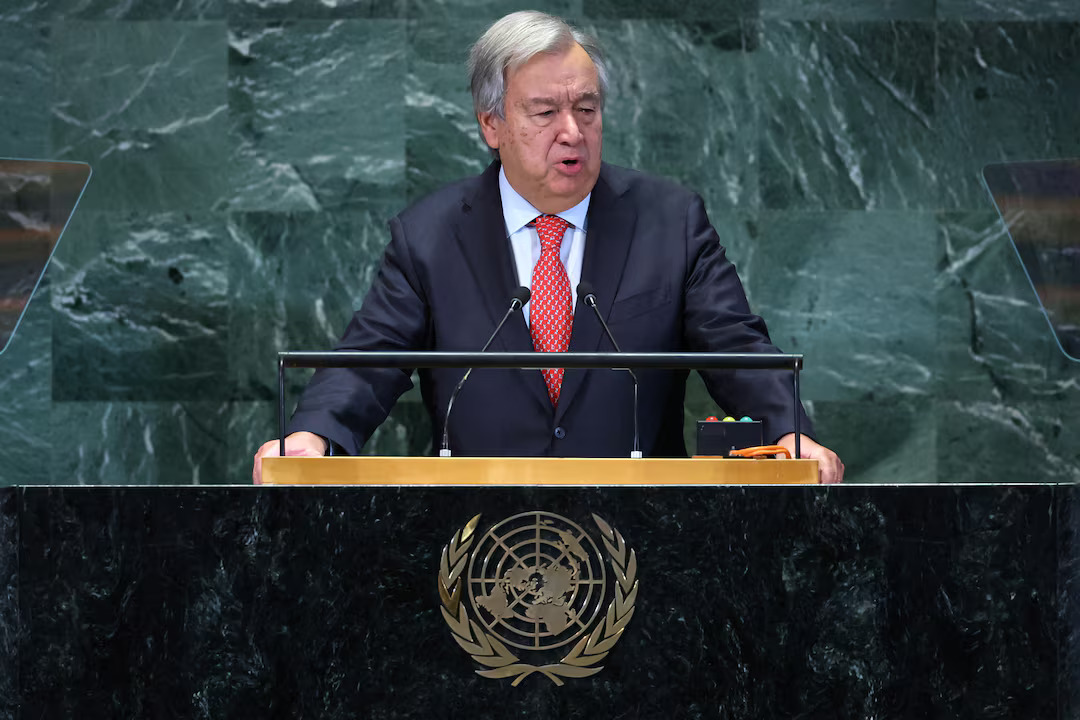
Secretary-General António Guterres urged world leaders to step back from confrontations, halt arms races, and renew their commitment to disarmament, stressing that peace must take priority over weapons to avoid catastrophic outcomes.
Speaking on the International Day for Disarmament and Non-Proliferation Awareness, Guterres said the world is facing a period of extreme danger as conflicts grow more intense and weapons technology evolves rapidly.
“Our dream of peace is in peril,” he said, calling on governments to urgently lower tensions and recommit to disarmament efforts.
The UN chief highlighted that rising geopolitical rivalries and ongoing conflicts have pushed military spending to record highs while the proliferation of weapons fuels instability around the world.
“The threat of nuclear weapons use is the highest in decades,” he warned. He also drew attention to the spread of small arms and light weapons, which he said are worsening violence and instability in many regions. “Small arms and light weapons are proliferating,” he said.
Guterres further pointed to the impact of emerging technologies on warfare, noting that they are making conflicts even deadlier. “Emerging technologies are making conflicts even deadlier,” he added.
He cautioned that the combination of rising tensions, expanding arsenals, and rapid technological change has created a dangerous global environment that requires urgent action from political leaders.
“The global tensions are pushing military spending to stratospheric levels,” he said, urging leaders worldwide to prioritise diplomacy over confrontation. “We must lower the temperature,” he said. “I urge leaders to step back from the brink.”
He also warned governments to avoid provocative statements or actions that could escalate risks. “Stop rattling the nuclear saber,” he said. “Halt the arms races.”
The UN chief called for renewed focus on international institutions and agreements aimed at preventing the spread and use of destructive weapons. “It’s time to invest in the architecture of peace, not the tools of war,” he said.
Guterres stressed that countries must honour their commitments under disarmament treaties and rebuild trust between nations. “That means living up to disarmament obligations,” he said. “Rebuilding trust.” He also highlighted the need to strengthen global systems that monitor and prevent the development, testing, and deployment of dangerous weapons. “Strengthening the systems and tools that prevent the proliferation, testing and use of deadly weapons,” he said.
According to the Secretary-General, avoiding catastrophic conflict requires collective action and cooperation among nations. “Together, we can prevent catastrophes and ensure a safe and peaceful world for all,” he said.
The warning comes amid heightened global tensions, with several regions experiencing escalating conflicts. The war between Russia and Ukraine, ongoing since 2022, has increased insecurity in Europe and pushed countries to raise defence spending and readiness. The conflict has deepened strains between Russia and Western powers, sparking fears of wider confrontation.
In the Middle East, hostilities involving Israel and Iran, along with the involvement of the United States, have intensified global security concerns. Recent strikes and counter-threats have prompted UN warnings about the potential for a broader regional war.
Worldwide military spending reached about Sh348.3 trillion in 2024, the highest on record, reflecting a decade-long buildup and rising competition among nations. Meanwhile, nuclear powers continue to modernise and expand their arsenals, and some arms-control agreements have weakened or expired, raising concerns of a renewed global arms race.
Guterres stressed that ongoing conflicts, rivalries, and advances in warfare technology make global security more dangerous and unpredictable. He urged leaders to step back from confrontation and recommit to diplomacy and disarmament to protect peace.
Disarmament advocates say the UN warning underscores the urgent need for renewed diplomatic engagement and stronger international commitments to reduce the threat of both nuclear and conventional weapons. The International Day for Disarmament and Non-Proliferation Awareness serves as a reminder that global peace and security depend on sustained efforts to limit weapons and prevent conflict.
“Our dream of peace is in peril,” Guterres concluded, calling on leaders to prioritise cooperation and peaceful solutions to shared global challenges.